Uncovering Hidden Histories Beyond the Boundaries of Conventional Narratives
Home | The Vault | Lost Knowledge
Throughout human history, countless civilizations have risen, flourished, and ultimately faded into obscurity. While modern education focuses on familiar ancient cultures, there remains a vast and often overlooked tapestry of societies whose stories have been fragmented, misinterpreted, or entirely lost. These forgotten civilizations challenge our understanding of the past, hinting at achievements that may rival—or even surpass—those we commonly acknowledge.
Scattered clues in old maps, unexplained ruins, and obscure historical records suggest that the ancient world was far more interconnected and diverse than traditionally believed. Entire regions once thought sparsely populated may have supported sophisticated networks of trade, governance, and culture. The absence of these narratives from mainstream history raises important questions about their significance.
The Limits of Conventional History
History is shaped by available evidence, cultural priorities, and sometimes political influence. Archaeological discoveries, written records, and oral traditions all contribute to what we accept as historical truth—but these sources are incomplete. Entire civilizations may leave only faint traces, while others are remembered through biased accounts.
Clues from Lost Worlds
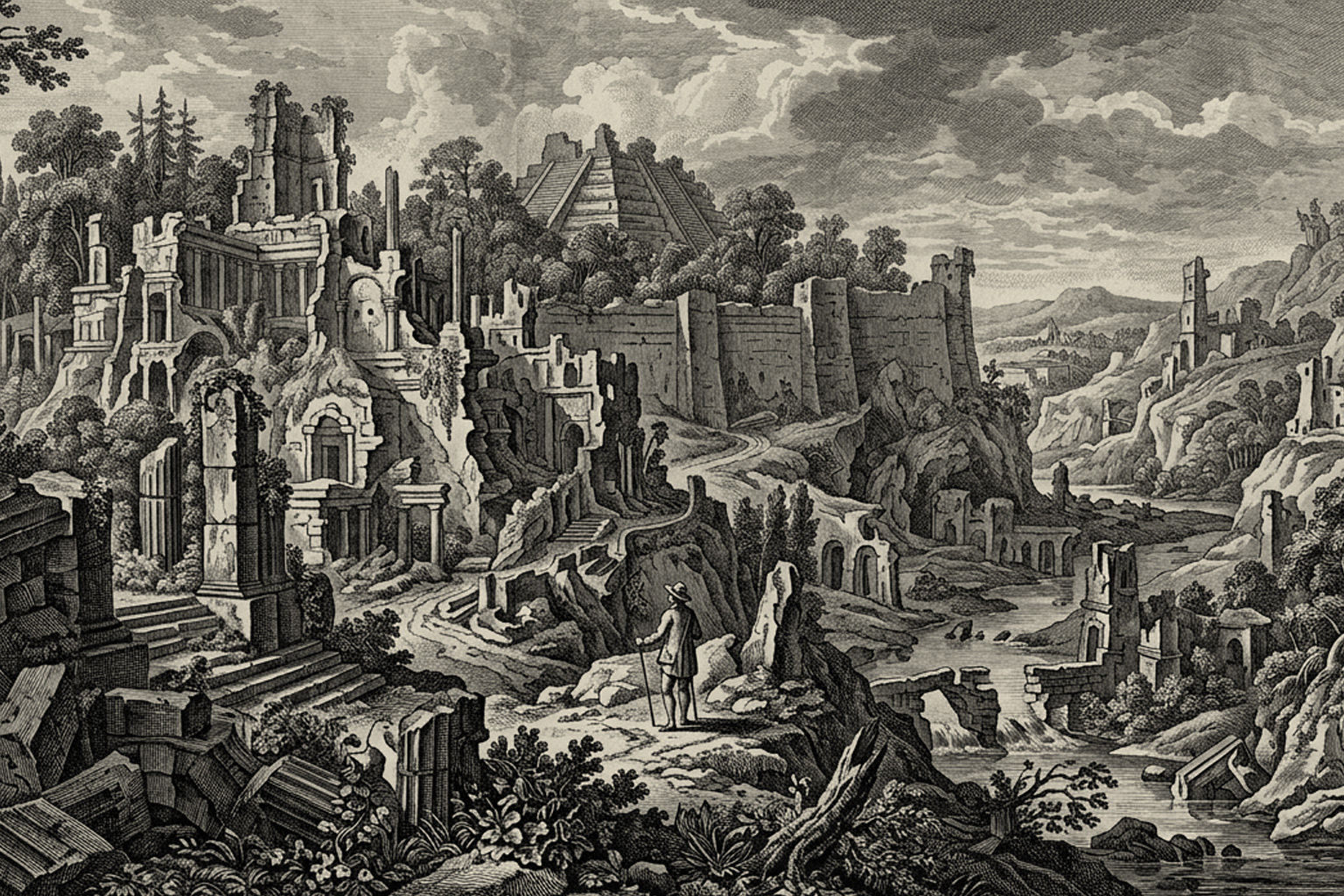
Evidence of forgotten civilizations often appears in unexpected forms. Ancient maps depict territories and names that no longer exist. Ruins emerge in remote landscapes, sometimes too large or complex to align with known historical populations. Linguistic remnants hint at cultures that once thrived but left no clear written record.
Environmental changes, conquest, assimilation, or cultural transformation may have erased distinct identities over time.
Reconsidering “Empty” Regions
Regions long considered sparsely populated or culturally insignificant are being reevaluated. Archaeological surveys reveal ancient settlements in places once thought uninhabitable. Sophisticated agricultural systems, road networks, and trade connections suggest that human ingenuity shaped nearly every corner of the globe.
The Role of Cartography and Alternative Records
Old maps and lesser-known historical documents offer insight into forgotten civilizations. Early cartographers combined firsthand exploration, secondhand accounts, and inherited knowledge from earlier traditions. These records help form a more comprehensive picture of the past.
Why Civilizations Are Forgotten
- Lack of written records or reliance on perishable materials
- Destruction through war or conquest
- Cultural assimilation into dominant societies
- Environmental changes that force migration or collapse
- Shifts in language, making older records difficult to interpret
Over time, these factors can obscure even the most advanced societies, reducing them to myths, fragments, or complete silence in the historical record.
The Importance of Reexamining the Past
Revisiting forgotten civilizations challenges linear narratives of progress and highlights the diversity of human experience across time and space. New technologies, like satellite imaging and advanced dating methods, are revealing more hidden histories, reshaping our understanding of the ancient world.
Conclusion: A Living History
History is not a fixed record—it is a constantly evolving interpretation of the past. Forgotten civilizations remind us that what we know is only part of a much larger story. By remaining open to new evidence and alternative perspectives, we can move beyond conventional narratives and begin to appreciate the full richness of humanity’s history.